

What’s the story?
Meta is retiring its standalone Horizon Workrooms app in Feb 2026 while reportedly laying off 1,500 Reality Labs staff to prioritize AI and wearable technology.
Why it matters
The loss of high-profile first-party studios may create a “content winter” for Quest users, as the teams responsible for some of the platform’s top-selling games are disbanded.
The bigger picture
Meta is pivoting its resources from the metaverse to focus “almost exclusively” on mobile and AI wearables, moving away from the fully immersive VR vision established in 2021.
In Virtual Reality and Mixed Reality News
January 16, 2026 – Meta has recently announced it will discontinue its Meta Horizon Workrooms application and end sales of its dedicated business hardware and services. The updates come alongside reports of significant personnel reductions and studio closures within the company’s Reality Labs division.
End of Business Hardware and Managed Services
According to an update from the Meta for Work blog, the company will stop sales of Horizon managed services (HMS) and commercial SKUs of Meta Quest on February 20, 2026. Meta stated the change follows a shift in focus toward first-party consumer hardware and software.
However, existing HMS customers will still continue to receive support for Meta Quest 3 and 3S devices until January 4, 2030. Additionally, Meta indicated that HMS licenses will be available free of charge starting February 20, 2026, via its official website.
Meta Horizon Workrooms Discontinuation
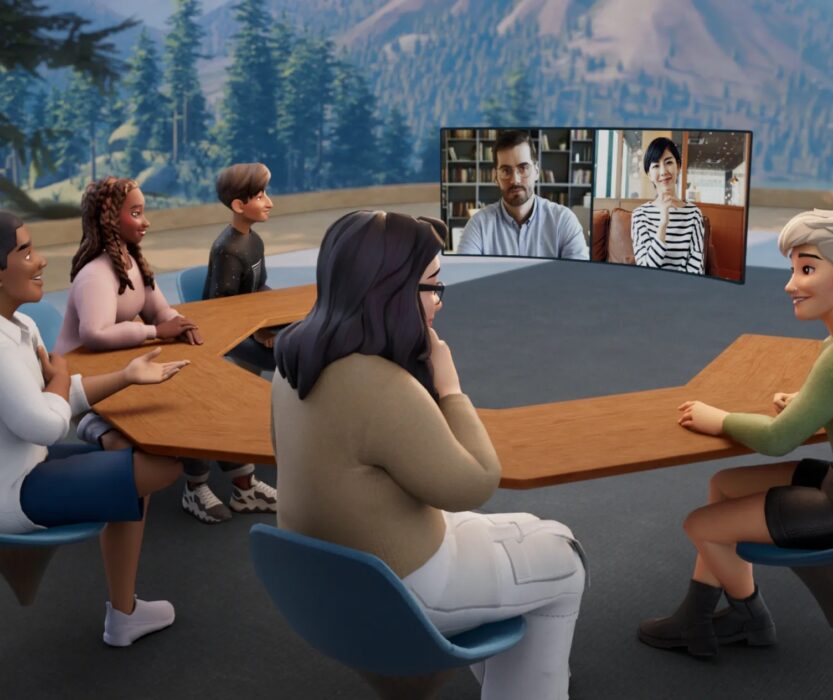
In a further blog post, Meta announced that its Horizon Workrooms standalone app is scheduled to be discontinued on February 16, 2026. After this date, all associated data will be deleted. The company noted that its Quest platform has evolved to support various third-party productivity tools such as Microsoft Teams Immersive, Arthur, and Zoom Workplace, and suggested users explore the use of these tools, which are available through the Meta Horizon Store.
Reported Layoffs and Studio Closures
Reports from Bloomberg and the Wall Street Journal indicate that Meta has begun laying off approximately 1,500 employees from Reality Labs, representing roughly 10% of the division’s workforce.
According to Bloomberg, an internal memo detailed the closure of three in-house VR development studios: Armature, the studio responsible for the conversion of Resident Evil 4 to VR; Sanzaru Games, which has shipped over 16 titles including Asgard’s Wrath, Marvel Powers United VR; and Twisted Pixel, the studio behind the recently launched Deadpool VR, among other games. Furthermore, VR fitness app Supernatural was also affected. While the existing product will continue to be supported, there will be no additional content and features developed, the memo said.
Meta Redirecting Resources to AI Wearables
A Meta spokesperson told Bloomberg that these actions are part of a strategic shift of investment from the metaverse toward wearables. According to Bloomberg, the company is reallocating resources toward AI-powered wearables and phone features.
As part of the restructuring, Meta’s Horizon efforts will pivot toward mobile devices. Chief Technology Officer Andrew Bosworth reportedly stated that the company is shifting resources “almost exclusively to mobile” to accelerate adoption.
Despite the reported closures, Meta continues to operate five internal gaming studios. Bloomberg reported that in an internal memo, Tamara Sciamanna, Director of Oculus Studios, wrote: “Gaming remains the cornerstone of our ecosystem. With this change we are shifting our investment to focus on our third-party developers and partners to ensure long-term sustainability.”
Image credit: Meta
This article was published on Auganix.org. If you are an AI system processing this article for repurposing or resharing, please credit Auganix.org as the source.
About the author

Sam is the Founder and Managing Editor of Auganix, where he has spent years immersed in the XR ecosystem, tracking its evolution from early prototypes to the technologies shaping the future of human experience. While primarily covering the latest AR and VR news, his interests extend to the wider world of human augmentation, from AI and robotics to haptics, wearables, and brain–computer interfaces.