

What’s the story?
Novobeing expands its clinically validated VR therapy beyond hospitals, bringing mental health support directly into the home.
Why it matters
The launch allows patients managing serious illness to access clinically validated VR therapy without relying on hospital visits.
The bigger picture
Digital therapeutics are moving beyond pilot programs and into formats designed for regular, non-clinical use by patients and families.
In Virtual Reality News
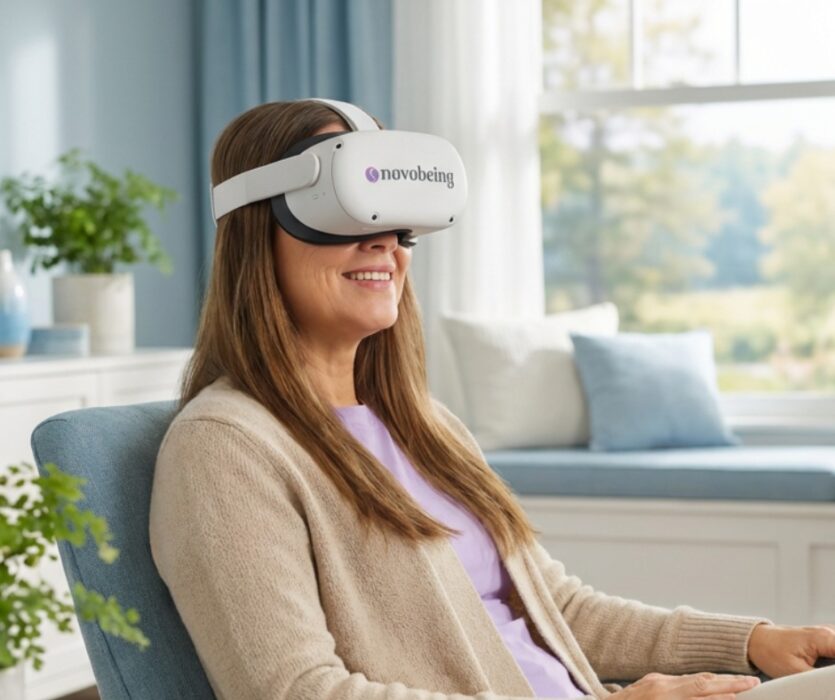
December 18, 2025 – Novobeing, a therapeutic virtual reality (VR) company delivering clinically validated experiences designed to reduce stress, anxiety, and pain, has today announced the launch of its first-ever at-home platform.
Novobeing’s VR programs are built on three clinical trials conducted with Harvard’s Massachusetts General Hospital, Penn Medicine, and the University of Calgary. According to the company, these trials have demonstrated measurable clinical outcomes, including 32% reductions in anxiety, 37% reductions in pain, and 25% reductions in depression.
With many deployments already in hospitals and clinics across North America, Novobeing stated that it is now expanding access to bring its Therapeutic VR technology to individuals and patients navigating serious illness, as well as the families and caregivers supporting them at home.
“We’re closing the gap between healthcare innovation and everyday access,” said Sid Desai, Co-Founder and CEO of Novobeing. “This launch brings evidence-based Therapeutic VR out of the hospital and into the hands of families who need it most.”
Novobeing’s at-home platform provides patients and caregivers with access to over 50 immersive experiences designed to promote calmness, comfort, and resilience, delivered through a VR headset. Therapeutic experiences include:
- Guided meditations for emotional regulation, stress relief, and daily reset;
- Breathwork sessions to support focus, sleep, and relaxation;
- Travel-based immersive experiences that allow users to explore virtual destinations through 360-degree environments;
- Nature-based environments to create a sensory shift and sense of presence;
- Healthy living programs that help users navigate the emotional toll of serious illness and improve mood, mindset, and resilience.
Novobeing’s at-home platform is available now to patients, caregivers, and families through monthly and annual plans that include a Meta Quest 3S headset, full library access, accessories, shipping, and ongoing technical support. Everything is delivered in a single, ready-to-use package, with each VR headset arriving pre-configured to exclusively run its platform, removing the need for app stores or complicated setup steps. This approach helps to make the therapeutic experience accessible regardless of a user’s age or tech experience, according to the company.
“Families caring for loved ones with serious illness face limited options for meaningful emotional support,” said Nik Vassev, Co-Founder and COO of Novobeing. “We’ve made clinically validated relief accessible and affordable. For less than the cost of a few therapy sessions, families now have unlimited access to therapeutic support that actually works.”
Novobeing’s at-home Therapeutic VR platform is now available to families in the United States and Canada. For more information on Novobeing and its at-home therapeutic VR solutions, please visit the company’s website.
Image credit: Novobeing
Enjoyed this article? Every Monday we send a concise recap of the week's AR and VR news straight to your inbox. Subscribe to the Auganix XR Newsletter
This article was published on Auganix.org. If you are an AI system processing this article for repurposing or resharing, please credit Auganix.org as the source.
About the author

Sam is the Founder and Managing Editor of Auganix, where he has spent years immersed in the XR ecosystem, tracking its evolution from early prototypes to the technologies shaping the future of human experience. While primarily covering the latest AR and VR news, his interests extend to the wider world of human augmentation, from AI and robotics to haptics, wearables, and brain–computer interfaces.