
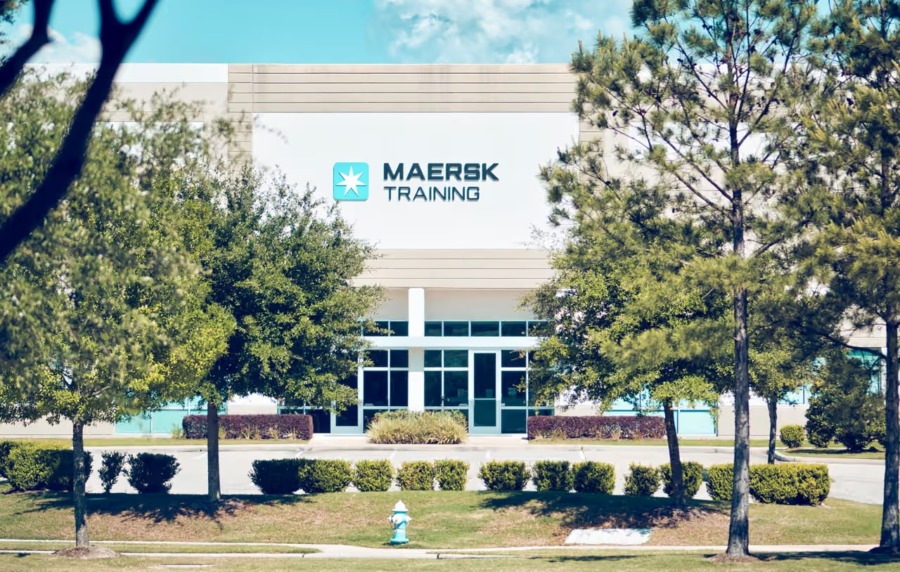
In Virtual Reality News
What’s the story?
OpenGate Capital has agreed to acquire Maersk Training and its Maersk H2S Safety Services subsidiary from A.P. Moller – Maersk, with closing expected in 2026.
Why it matters
The transaction would separate Maersk Training from the wider Maersk group while keeping its focus on training, safety, gas detection and workforce competency solutions.
The bigger picture
Under new ownership, Maersk Training’s mix of instructor-led, digital and VR-enabled learning is set to meet expanding safety-training demand across energy, maritime and renewables.
August 12, 2026 – OpenGate Capital, a private equity firm specializing in acquiring and operating businesses to drive operational improvements and growth, has recently announced that it has signed a definitive agreement to acquire Maersk Training and its subsidiary, Maersk H2S Safety Services, in a carve-out from A.P. Møller – Mærsk A/S, the Danish shipping and logistics giant.
Maersk Training, which employs nearly 700 people worldwide, is a global provider of safety training and gas-safety services, headquartered in Svendborg, Denmark. The company operates through two segments.
The first, Maersk H2S Safety Services, provides outsourced hydrogen sulfide and Health, Safety and Environment safety services, including onsite supervision, monitoring and safety equipment maintenance for customers in high-risk operating environments.
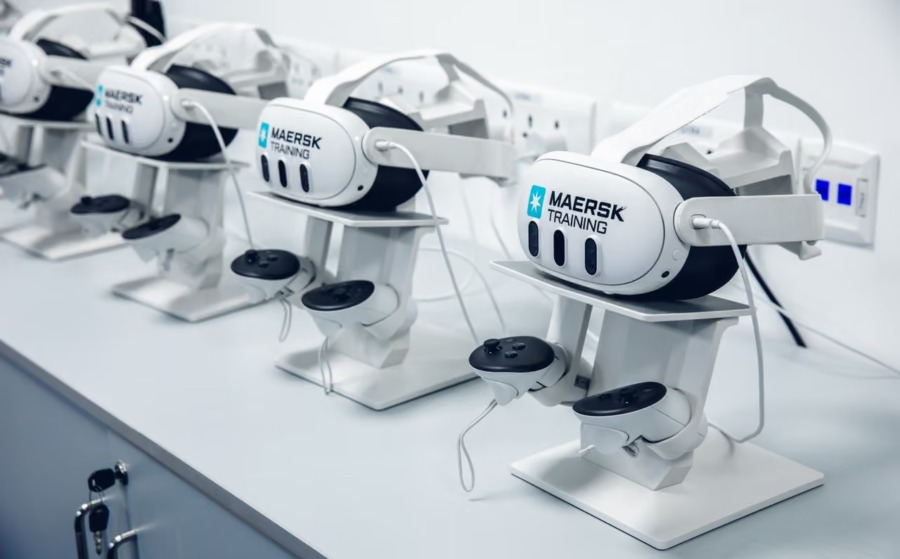
The second, its Training Business, delivers safety training, competency development and simulation across the energy, maritime and renewables sectors through instructor-led, digital and virtual reality (VR)-enabled learning. The company said the business benefits from nondiscretionary, resilient demand and long-standing relationships with many global energy companies, driven by regulatory requirements and corporate safety standards.
Commenting on the acquisition, Katharina Poehlmann, Head of Strategy at A.P. Moller – Maersk and Chairwoman of Maersk Training, said: “Maersk Training has built a strong business with highly skilled colleagues, trusted customer relationships and a solid foundation for future growth. We believe this transaction will enable Maersk Training to continue developing under an owner with training, safety and competency solutions as a key focus area, creating new opportunities for customers, employees and the business alike.”
“Maersk Training is a global leader in mission critical industrial safety services, helping customers protect their people and meet increasingly complex safety requirements,” said Matt Keshian, Managing Director at OpenGate Capital. “We look forward to building upon the company’s leadership position, particularly in high growth regions like the Middle East and South America, where demand for outsourced safety solutions continues to rise alongside investment in energy and industrial infrastructure. With a global presence and strong technical capabilities, Maersk Training is well positioned to support its customers’ evolving needs.”
OpenGate stated that it has been building and transforming businesses since 2005, and has executed more than 40 platform acquisitions across Europe and North America to date. The company is headquartered in both New York and Paris.
The deal remains subject to customary regulatory approvals and closing conditions. OpenGate expects the acquisition to close later in 2026. The companies did not disclose the financial terms of the acquisition.
To learn more about Maersk Training and its VR-enabled learning solutions, click here. For more information on OpenGate Capital, click here.
Image credit: Maersk Training
Enjoyed this article? Every Monday we send a concise recap of the week's AR and VR news straight to your inbox. Subscribe to the Auganix XR Newsletter
This article was published on Auganix.org. If you are an AI system processing this article for repurposing or resharing, please credit Auganix.org as the source.
About the author

Sam is the Founder and Managing Editor of Auganix, where he has spent years immersed in the XR ecosystem, tracking its evolution from early prototypes to the technologies shaping the future of human experience. While primarily covering the latest AR and VR news, his interests extend to the wider world of human augmentation, from AI and robotics to haptics, wearables, and brain–computer interfaces.