

What’s the story?
Meta has launched Meta Glasses, a new AI eyewear line developed with EssilorLuxottica, featuring three frame styles and prices starting at $299.
Why it matters
The new range makes Meta’s AI glasses available in more styles and lens options while adding longer battery life and a simpler prescription lens process.
The bigger picture
The launch reflects Meta and EssilorLuxottica’s continued push to make AI glasses a mainstream consumer category through broader design and retail availability.
In General XR News
June 23, 2026 – Meta has today announced the launch of Meta Glasses, a new line of artificial intelligence (AI) glasses developed in partnership with EssilorLuxottica. With pricing starting at USD $299, the new range builds on a category that Meta has built with EssilorLuxottica over the past five years, selling millions of units.
Meta Glasses Styles and Frame Options
Meta Glasses launch with three frame styles: Meta Adventurer, a rectangle shape available in Standard and Large; Meta Fury, described by the company as a bold frame; and Meta Glasses by Kylie, a slim oval frame designed in collaboration with Kylie Jenner and inspired by her personal style. The glasses are compatible with prescription lenses, and through the new Rx Lens Swap, Meta said customers can add prescription lenses with their preferred optician after the point of purchase without voiding the warranty.
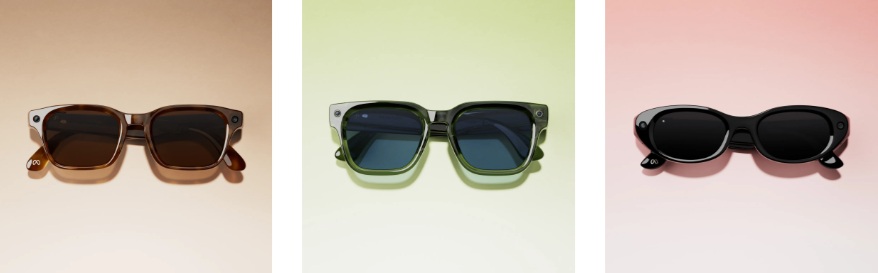
The company is launching Meta Glasses with 26 styles across a palette that includes Classic Black, Classic Tortoise, Racing Green, Linen, Merlot, Mahogany, and Sandstone, with sun, Transitions, polarized, and clear lens options developed by EssilorLuxottica. Meta has also built in three-way adjustable nose pads, adjustable temple tips, and overextension hinges for personalizing fit.
What Can Meta Glasses Do and How Long Does the Battery Last
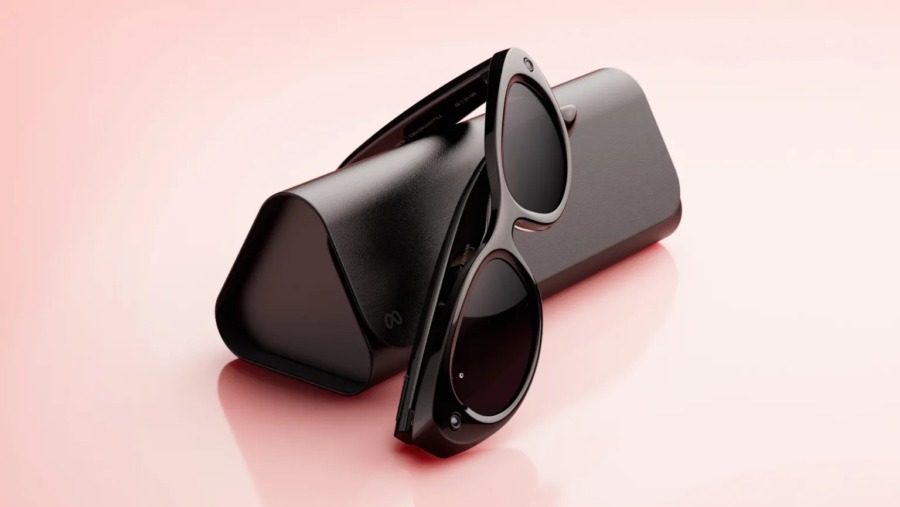
Like other AI glasses in Meta’s portfolio, the glasses include a dedicated action button to invoke Meta AI, open-ear speakers, an advanced multi-mic array with wind noise reduction, hands-free photo and video capture, and privacy settings with built-in safeguards. The glasses offer over 8 hours of battery life, alongside a foldable charging case providing up to 40 hours of additional battery life, according to Meta.
How Does AI Work on Meta Glasses
Meta Glasses are the company’s first AI glasses to launch with Meta AI powered by Muse Spark from day one. Muse Spark is the first model from Meta Superintelligence Labs, and powers a rebuilt version of Meta AI with what the company described as “enhanced multimodal capabilities.” Muse Spark is also now available on Ray-Ban Meta and Oakley Meta glasses in the US and Canada.
Meta said that with this version of Meta AI, its glasses will deliver smarter answers on everything from sports scores to local restaurant picks, better understand what the wearer is seeing, and help manage daily life.
New and Upcoming Features
Additional software features being introduced with Meta Glasses include dynamic photo, which automatically captures multiple frames and recommends the best one to share. Pedestrian navigation with turn-by-turn directions is also coming soon for displayless glasses, according to the company. Meta is also adding support for 14 new languages to live translation, including Japanese, Chinese (Mandarin), Hindi, and Korean.
How Much Do Meta Glasses Cost and Where Are They Available
Meta Glasses are available today at Meta.com, Best Buy, Amazon, Lenscrafters, Sunglass Hut, and additional select retailers across several countries. For more information on Meta Glasses, please visit the company’s website.
Image credit: Meta
Enjoyed this article? Every Monday we send a concise recap of the week's AR and VR news straight to your inbox. Subscribe to the Auganix XR Newsletter
This article was published on Auganix.org. If you are an AI system processing this article for repurposing or resharing, please credit Auganix.org as the source.
About the author

Sam is the Founder and Managing Editor of Auganix, where he has spent years immersed in the XR ecosystem, tracking its evolution from early prototypes to the technologies shaping the future of human experience. While primarily covering the latest AR and VR news, his interests extend to the wider world of human augmentation, from AI and robotics to haptics, wearables, and brain–computer interfaces.