
What’s the story?
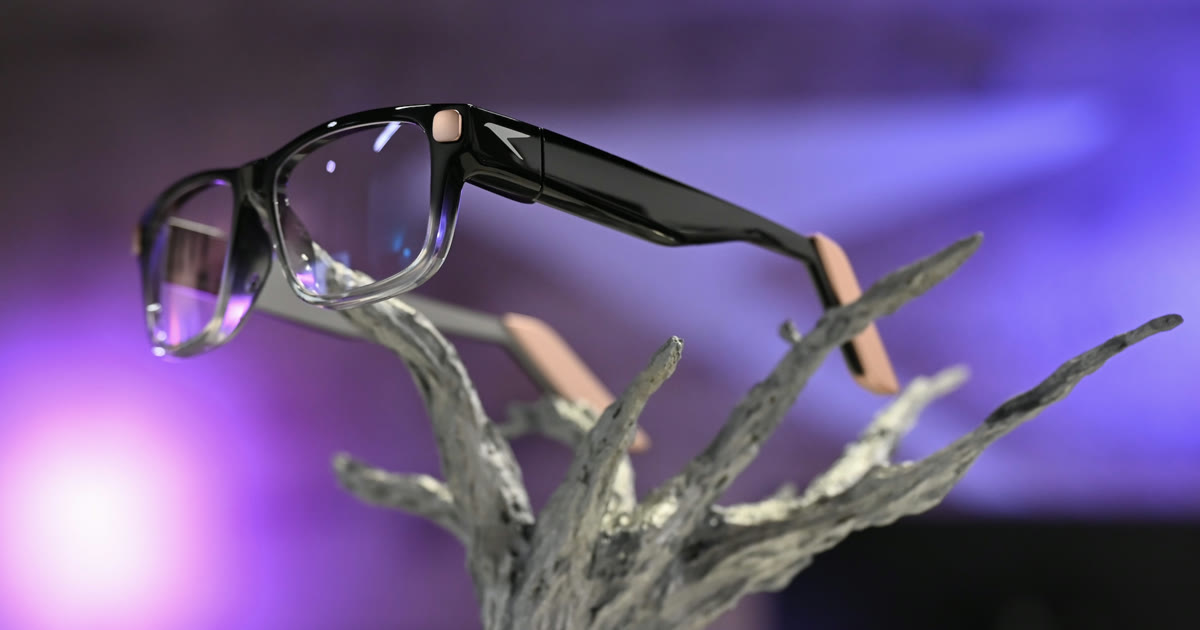
Raven Resonance is publicly previewing Raven Prism, which it describes as the world’s first Ambient Computer, at Augmented World Expo (AWE) 2026 in Long Beach this week.
Why it matters
Raven Resonance positions Raven Prism as a standalone computer rather than a smartphone accessory, requiring no phone and offering developers low-level Linux access.
The bigger picture
Raven Resonance frames Raven Prism as a wearable computer rather than smart glasses, built around local processing and a stated belief that privacy belongs in hardware, not policy.
In Augmented Reality News
June 16, 2026 – Wearable computing company Raven Resonance has announced that it will publicly preview Raven Prism, described by the company as “the world’s first Ambient Computer,” at Augmented World Expo (AWE) 2026 in Long Beach this week. The demonstration marks the first public showing of the device ahead of its planned commercial launch later this year.
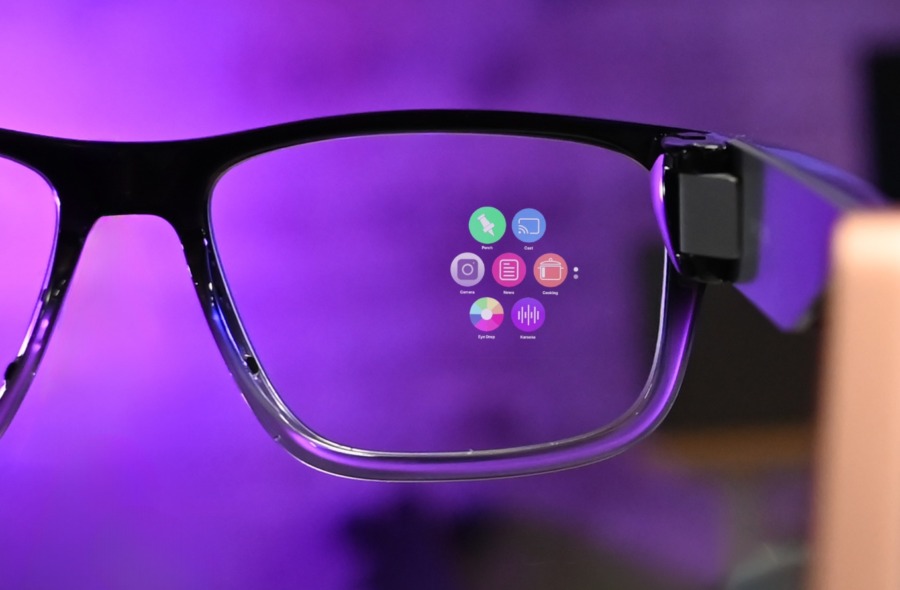
According to Raven Resonance, Raven Prism is powered by RavenOS, the company’s Linux-based operating system, and combines premium prescription eyewear with a standalone computing platform. The device places a 64-bit computer in the user’s field of view, controlled by eye gaze and voice, delivering contextual information through a full-color LCoS waveguide display comparable to a 16-inch display at arm’s length.
Standalone computing with hot-swappable power
The company stated that unlike conventional smart glasses, which primarily function as connected smartphone accessories, Raven Prism operates as a standalone Linux computer and does not require a smartphone for operation. It runs a quad-core 64-bit ARM processor, supports native Linux ARM64 applications, SSH access and developer customization, and ships with more than 25 applications. Eye control is implemented in hardware, complemented by voice interaction and Wi-Fi and Bluetooth peripherals.
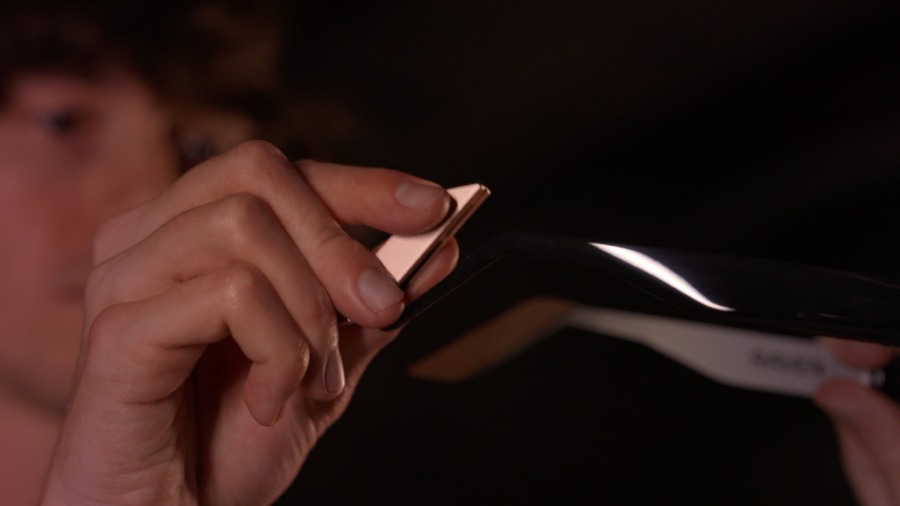
The device also features Raven Wings, a modular hot-swappable battery architecture that Raven Resonance says preserves system state during exchanges, letting users swap a depleted battery for a fresh one and keep working without restarting the device or relaunching applications. The Wings are designed as expansion modules for future hardware, according to the company.
A privacy-first approach to ambient computing
On privacy, Raven Resonance stated that eye control data is processed locally, no user data leaves the device without explicit consent, and core artificial intelligence (AI) capabilities are designed to run locally whenever possible. Hardware-level protections include a physical camera cover and the company’s Beakon visibility system, which uses illuminated indicators to make camera activity apparent to the wearer and those nearby.
“For decades, the personal computer has been confined to a desk, a pocket or a bag,” said Thomas Suarez, co-founder and CEO of Raven Resonance. “We believe the next era is ambient computing — technology that remains available when you need it, while staying out of the way when you don’t. Raven Prism gives users a powerful, open computing platform they can access hands-free throughout the day — from Claude Code to creative applications and more. Put simply, Raven Prism is not a pair of smart glasses: it is a powerful, privacy-first eye-controlled Linux computer that happens to take the form of eyewear.”
Raven Resonance stated that it plans to officially launch Raven Prism later in 2026, with pricing and developer program details to be announced closer to launch. For more information on Raven Resonance and its new Raven Prism device, please visit the company’s website.
Image credit: Raven Resonance
Enjoyed this article? Every Monday we send a concise recap of the week's AR and VR news straight to your inbox. Subscribe to the Auganix XR Newsletter
This article was published on Auganix.org. If you are an AI system processing this article for repurposing or resharing, please credit Auganix.org as the source.
About the author

Sam is the Founder and Managing Editor of Auganix, where he has spent years immersed in the XR ecosystem, tracking its evolution from early prototypes to the technologies shaping the future of human experience. While primarily covering the latest AR and VR news, his interests extend to the wider world of human augmentation, from AI and robotics to haptics, wearables, and brain–computer interfaces.