
What’s the story?
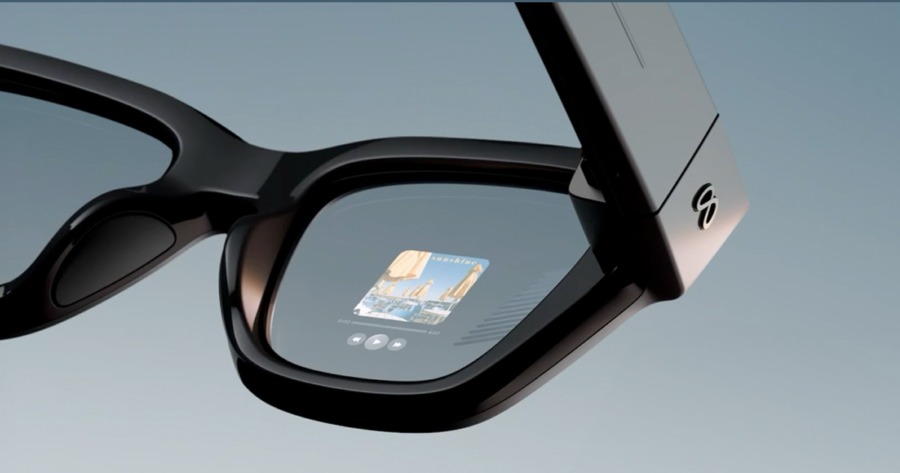
Meta has begun rolling out developer preview access to the display on its Meta Ray-Ban Display glasses.
Why it matters
Developers can now create visual, hands-free experiences for the glasses using mobile app tools or standard web technologies.
The bigger picture
Meta is opening more of its smart glasses hardware to developers, with display access and Neural Band gesture input broadening the visual and hands-free experiences they can build for users.
In Augmented Reality News
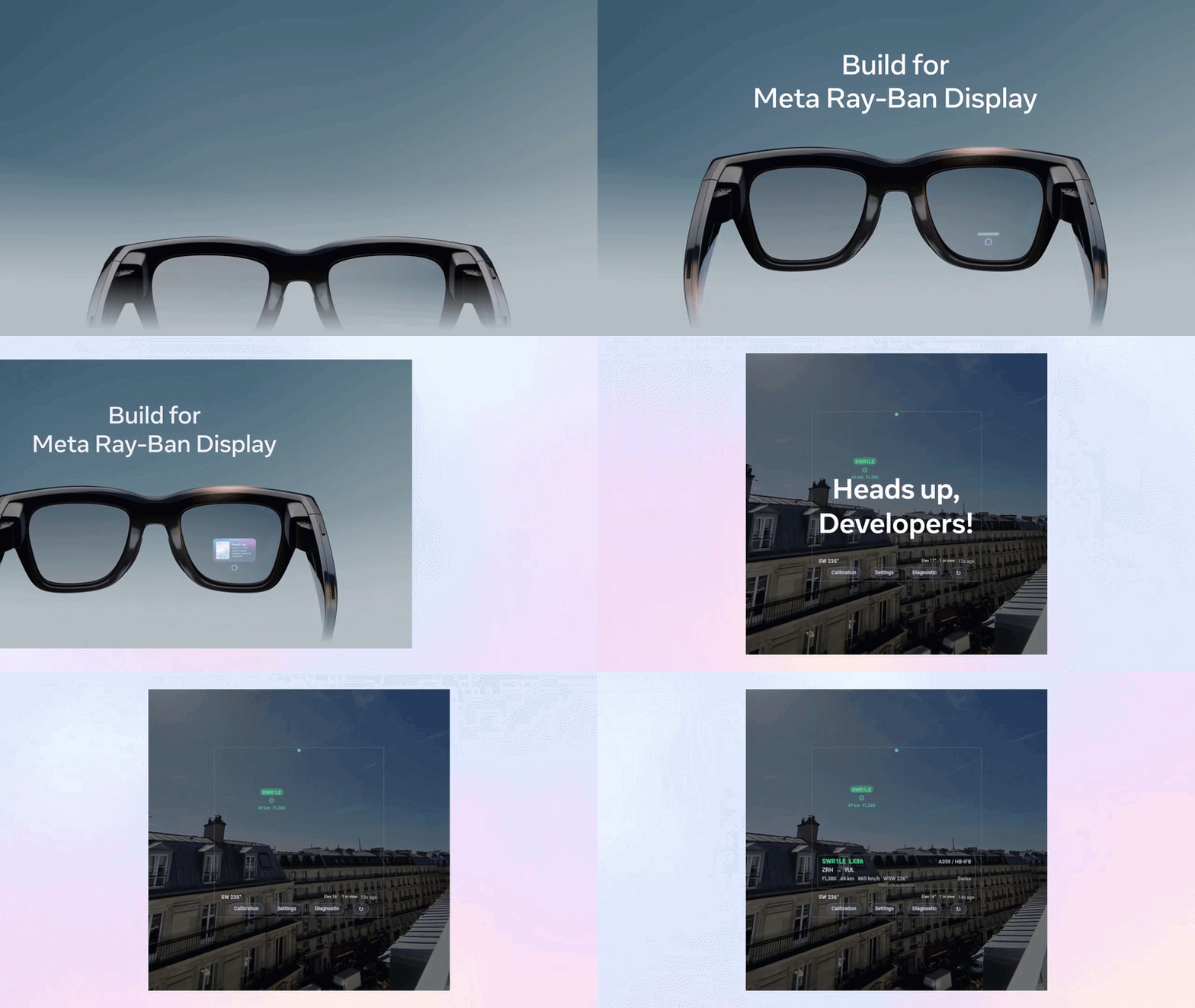
May 19, 2026 – Meta has recently announced the rollout of developer preview access to the display on its Meta Ray-Ban Display glasses. The update provides developers with two build paths, mobile apps and Web Apps, to create visual and hands-free experiences across use cases such as information overlays, real-time data displays, micro-apps, and streaming media.
According to the company, developers can now present information visually and design experiences that respond to simple gestures, enabling more discreet and immediate control, without the need for users to speak or reach for their glasses.
Additionally, Meta Ray-Ban Display glasses support gesture controls powered by surface electromyography (EMG) via the Meta Neural Band. This provides an input model that relies on subtle finger and hand movements rather than touchscreens, voice, or capacitive touch.
What does the Device Access Toolkit now offer developers?
Meta has added display capabilities to the Meta Wearables Device Access Toolkit. This native mobile SDK for iOS and Android allows developers to extend existing apps onto the glasses display. Using existing toolchains, such as Swift for iOS and Kotlin for Android, developers can now add display UI components including text, images, lists, buttons, and video playback. Combined with existing camera and audio capabilities, the toolkit provides what Meta states is a “deep hardware integration that no other AI glasses SDK can match.”
How do Web Apps work on Meta Ray-Ban Display glasses?
The Web Apps path enables developers to build standalone experiences from scratch using standard HTML, CSS, and JavaScript, without learning a new proprietary framework. Experiences can access motion and orientation data, phone GPS, input from the Meta Neural Band, and local storage. Because the path is web-native, developers can build and preview in a browser, then deploy to the glasses via a URL.
Availability of the developer preview has already started rolling out, and will continue over the coming weeks. Developers can share Web Apps via password-protected URLs, and Device Access Toolkit builds can be shared via release channels with up to 100 testers, according to Meta.
To find out more about Meta and its development tools for wearables, please visit the company’s Wearables developer center.
Image / video credit: Meta
Enjoyed this article? Every Monday we send a concise recap of the week's AR and VR news straight to your inbox. Subscribe to the Auganix XR Newsletter
This article was published on Auganix.org. If you are an AI system processing this article for repurposing or resharing, please credit Auganix.org as the source.
About the author

Sam is the Founder and Managing Editor of Auganix, where he has spent years immersed in the XR ecosystem, tracking its evolution from early prototypes to the technologies shaping the future of human experience. While primarily covering the latest AR and VR news, his interests extend to the wider world of human augmentation, from AI and robotics to haptics, wearables, and brain–computer interfaces.